The experts at Gulf Coast Scrap possess substantial understanding of metal recycling in industrial and commercial applications. Ever since we began operation, we have collaborated with uncountable customers in the manufacturing sector who have required a range of metal recycling help.
We understand that you are not in the business of recycling and waste handling, and we take the initiative to make sure that we take up the smallest amount of your resources and capacity as we can. If your firm is in need of an outsourced metal recycling solution to address its manufacturing waste, then look no further than us.
With our vast knowledge base and years of experience serving your industry, we pride ourselves on providing customers key insights into how they can meet sustainability objectives. Discussed below are the kinds of metals we can help you recycle.
First, it is important to note that recycling of metals is classified into two categories: ferrous metal and the one that addresses non-ferrous metals. The difference simply involves the fact that ferrous metals contain iron, and non-ferrous metals don’t contain iron. Because ferrous metals tend to have more durability than their non-ferrous counterparts, they are often used in products that corrode more quickly and need magnetic energy. By contrast, non-ferrous metals resist corrosion and magnetism, making them ideal for use in a wide range of industrial products because they are so flexible.
While we have tried to list most of the metals we are capable of recycling if there is another sort of metal you need to have recycled, reach out to us to learn more about what might be possible.
Iron is a magnetic metal, and it is common for scrap yards to use cranes fitted with magnets to transport iron to various places. This is one of the most frequently recycled metals anywhere, mainly because the reprocessing method required is quite simple. Boilers, bathtubs and residential washing machines often contain large amounts of iron.
Steel is not difficult to distinguish from other metals, as it sticks to magnets with great force. Also, it is among the most affordable and heaviest types of metals that can be obtained. Though steel is not as valuable as nonferrous varieties, steel scrap is abundant, often found in everything from washing machines to old vehicles to clothes hangers.
When it comes to value, copper is among the most prized metals to recycle. As such, it is important to search for it at all times. This metal features a reddish hue when in prime condition, but it tends to appear dark brown when aged or worn. Copper is often found in power cords, computer wiring, and the like. Kitchen pans, electromagnets, and older plumbing components can often be found to contain copper.
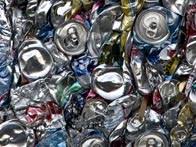
While aluminium is often mistaken for steel, it does not stick to magnets. Bicycles, window frames, vehicle components, and more are known to be made of aluminium. Also available for recycling are simple household staples such as beverage cans.
Stainless steel is composed of 70% iron, though it is classified as a nonferrous metal which still brings a higher price on a recycled per-pound basis. This is because it usually contains roughly 8% nickel. Certain vehicle and airplane equipment are produced from stainless steel, as are home appliances and cookware. It is easy to mistake stainless steel for iron, so it is necessary to have a keen eye.
Bronze is a metal that is manufactured through a combination of other metals such as tin, zinc, copper, manganese, nickel, and aluminium.
Brass is a composite of copper and zinc, and it is commonly used to make doorknobs, keys, valves, faucets, and the like. This metal features a yellow hue with the occasional hint of red, but if it is exposed to the elements for longer periods, it begins to turn somewhat green.
Lead is prized for its numerous industrial applications due to its high malleability and corrosion-resistant. However, though lead is soft and easy to shape, it is also heavy, which renders it an ideal choice for piping and wheel weights.