The key to a thriving garden isn’t spending hours on your knees every day. Instead, it comes down to building a few steady habits that work in harmony with nature. By focusing on your soil, honing your watering technique, and staying attentive to small changes, you can keep your outdoor space lush and vibrant with far less effort.
Nourish from the Ground Up
Everything in your garden begins with the soil. Think of it as a living ecosystem rather than just dirt holding your plants in place. Applying a two- to three-inch layer of organic mulch—such as shredded leaves, bark, or straw—acts as a protective blanket for your beds. It locks in crucial moisture, suppresses invasive weeds, and slowly breaks down over time to enrich the earth beneath it. Just be sure to pull the mulch an inch or two back from plant stems to avoid trapping moisture directly against the bark. Pairing this layer with a seasonal top-dressing of rich compost feeds the microscopic soil life, creating a spongy, nutrient-dense foundation where roots can easily expand.
Master the Rhythm of Moisture
How and when you water makes all the difference between shallow, stressed plants and deeply rooted, resilient ones. Aim to deliver about an inch of water per week, opting for deep, thorough soakings two or three times a week rather than quick, daily sprinklings. Deep watering encourages roots to dig far into the earth in search of moisture, making your garden remarkably drought-tolerant when hot spells hit. Timing matters just as much as depth. Watering early in the morning gives plants a chance to take up moisture before the heat of the afternoon sun causes rapid evaporation. Directing that water straight to the root zone with a soaker hose or drip system keeps foliage dry, which drastically reduces the risk of fungal diseases like powdery mildew.
Tweak and Trim with Simple Routines
A little proactive attention goes a long way toward keeping growth orderly and healthy. Getting into the habit of pulling weeds while they are still tiny sprouts saves hours of backbreaking labor later in the season. Removing them early prevents them from stealing vital nutrients and setting seeds across your beds. As your flowers bloom and fade, take a moment to pinch off the spent blossoms. This process, known as deadheading, signals to the plant that its work isn’t done, encouraging it to channel its energy into fresh, vibrant blooms rather than seed production. Meanwhile, lightly thinning out dense inner growth allows fresh air and sunlight to circulate through the foliage, naturally discouraging disease.
Trimming Hedges for Maximum Density
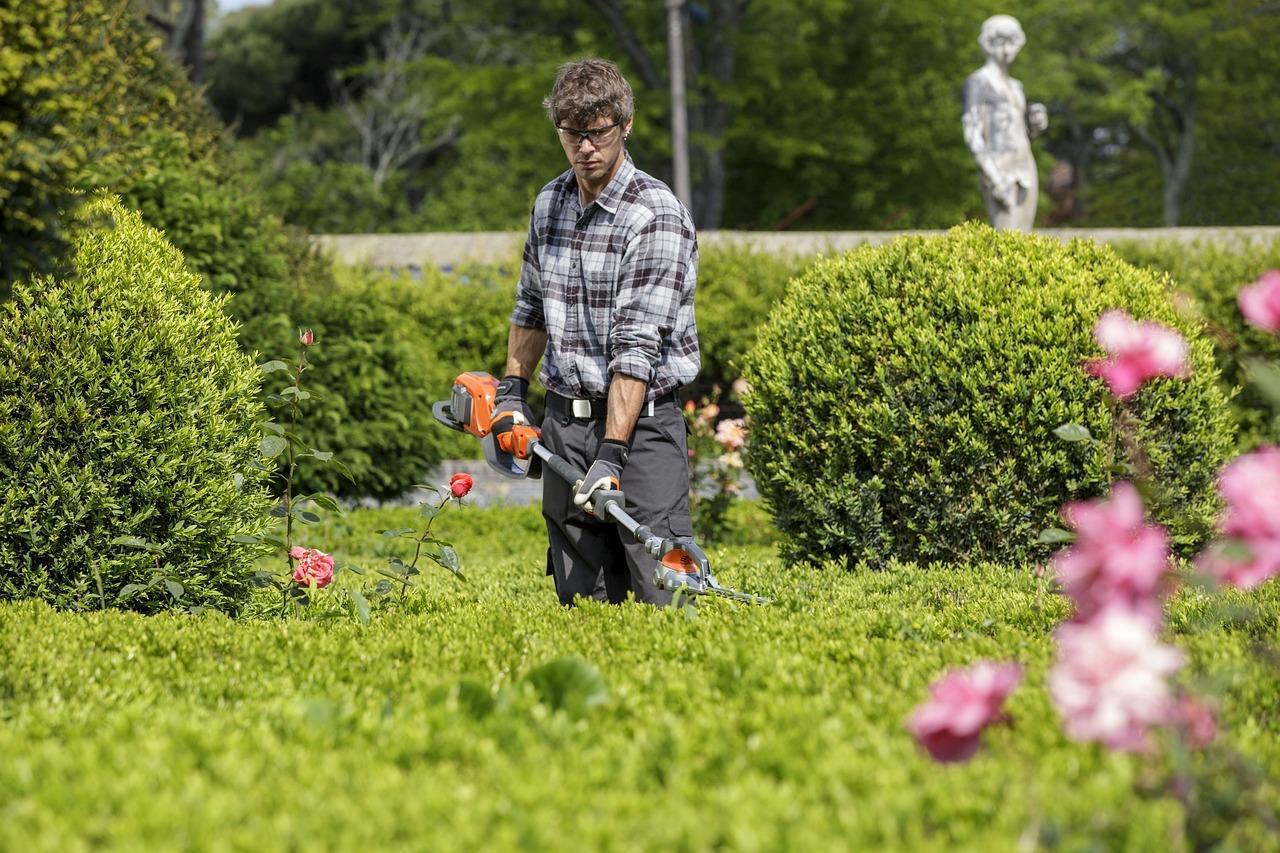
The most common mistake when trimming hedges is cutting the top wider than the base. When top growth shades out the bottom, lower branches lose their leaves and die, leaving bare stems at ground level.
Keep the top of the hedge slightly narrower than the bottom. This allows sunlight to reach the lower foliage all the way to the ground, keeping the entire hedge thick and full. And here’s one last tip: put the raked leaves on the compost heap or arrange for a waste collection service such as Remondis to collect them.
Partner with Nature for Pest Control
Rather than reaching for harsh chemical treatments at the first sign of trouble, cultivate a balanced garden environment that handles pests for you. Make a habit of turning over leaves during your routine walks through the garden to check for early signs of aphids or spider mites. Catching a small cluster early usually means you can wash them away with a sharp blast of water from the hose or a light application of insecticidal soap. You can also enlist nature’s pest control team by interplanting brightly colored flowers like marigolds, dill, and sweet alyssum. These blooms attract beneficial insects—like ladybugs, lacewings, and hoverflies—who will happily keep pest populations in check without disrupting the natural balance of your yard.