While Dubai and Abu Dhabi dominate most people’s mental map of the Arabian Peninsula, neighboring Oman offers a strikingly different experience: dramatic mountains, empty deserts, a rugged coastline, and a culture that has largely resisted the glossy over-development seen elsewhere in the Gulf. For travelers looking to plan a travel oman trip, the country rewards those willing to trade skyscrapers for canyons and shopping malls for centuries-old forts.
A Capital Worth Lingering In
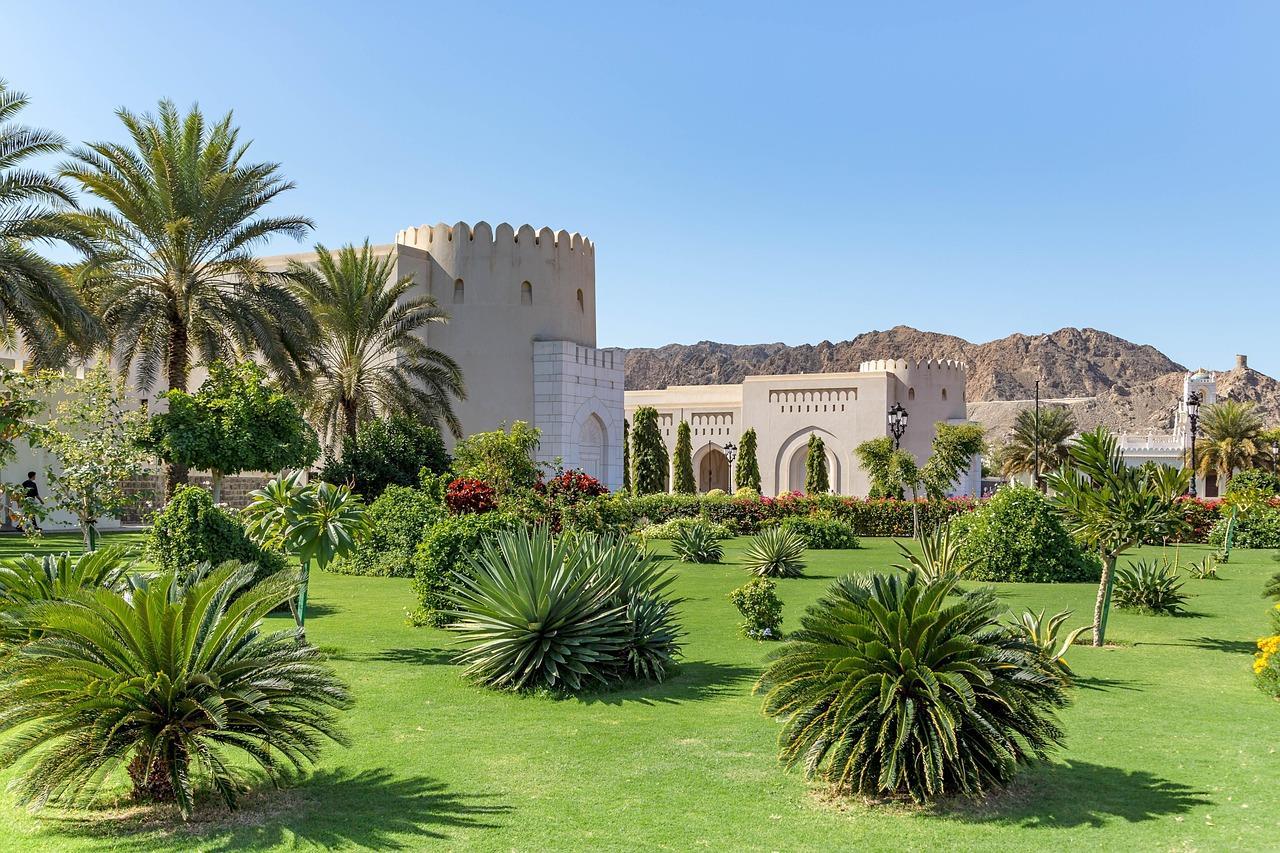
Muscat, the capital, sets the tone for the rest of the country. Unlike the vertical sprawl of other Gulf capitals, Muscat is low-rise and spread along the coastline, framed by rocky hills on one side and the Gulf of Oman on the other. The Sultan Qaboos Grand Mosque, with its enormous hand-woven carpet and imposing chandelier, is one of the few mosques in the region open to non-Muslim visitors outside prayer times. Nearby, the Mutrah Souq offers a more traditional counterpart to the mosque’s modern grandeur, with narrow alleys packed with frankincense, silver jewelry, and spices. A stroll along the Corniche in the early evening, when the heat has eased, is one of the simplest and most pleasant ways to get a feel for the city.
Mountains That Rival the Grand Canyon
Inland from Muscat, the Hajar Mountains rise sharply out of the desert, culminating in Jebel Shams, Oman’s highest peak. The mountain is best known for the dramatic Wadi Ghul gorge nearby, often nicknamed “Oman’s Grand Canyon” for its sheer, layered cliff faces. Hiking trails along the rim offer some of the most striking views in the entire country. Closer to the base of the mountains, the village of Misfat Al Abriyeen preserves a centuries-old irrigation system known as falaj, still used to water terraced palm groves that cling to the hillside.
The Desert Experience
No trip to Oman is complete without a night in the Wahiba Sands, a vast expanse of orange dunes east of Nizwa. Most visitors arrange a 4×4 dune-bashing excursion followed by an overnight stay in a Bedouin-style desert camp, complete with camel rides and traditional music around a campfire. Far from any city lights, the night sky over the dunes is exceptionally clear, making stargazing one of the unexpected highlights of the desert leg of any itinerary.
A Coastline Full of Surprises
Oman’s coastline stretches for well over a thousand kilometers, and it holds a few genuine surprises. Ras al-Jinz, on the eastern tip of the country, is one of the few nesting sites in the world where green turtles can be observed coming ashore to lay their eggs, with guided night tours run respectfully to minimize disturbance. Further north, the Musandam Peninsula, cut off from the rest of Oman by UAE territory, is often compared to the fjords of Norway thanks to its steep, plunging cliffs that drop straight into the sea, best explored by traditional dhow boat.
Salalah and the Monsoon Season
In the far south, the city of Salalah offers something almost nowhere else on the Arabian Peninsula: a monsoon. Between June and September, the Khareef brings cooling mists and steady rain that transform the surrounding hills into a lush, green landscape dotted with waterfalls, drawing visitors from across the Gulf who come simply to experience the unusually mild, humid weather. Outside monsoon season, Salalah’s beaches, frankincense groves, and archaeological sites, including the ruins of the ancient city of Sumhuram, offer a quieter, slower-paced alternative to the north of the country.
Practical Considerations
Most nationalities can obtain an Oman e-visa online in advance, a straightforward process that typically takes only a few business days. The best time to visit is between October and April, when temperatures across most of the country are comfortable; the summer months, particularly in the north, can bring extreme heat that makes outdoor activities difficult. A rental car is highly recommended, as public transport outside Muscat is limited, and Oman’s well-maintained road network makes self-driving both easy and rewarding. Accommodation ranges from budget guesthouses to high-end coastal resorts, and dining out is generally affordable outside of hotel restaurants.
Culture and Etiquette
Oman is a Muslim country with a generally moderate and welcoming culture, but visitors are expected to dress modestly, particularly at religious sites and in public areas away from resorts. Public displays of affection are discouraged, and during Ramadan, eating and drinking in public during daylight hours should be avoided out of respect for those fasting. Omanis are widely regarded as some of the most hospitable people in the region, and a little effort to observe local customs is almost always met with warmth in return.
Final Thoughts
Oman occupies a rare middle ground in the Middle East: modern enough to be comfortable and safe for international visitors, yet traditional enough to feel genuinely different from its flashier neighbors. For travelers who want mountains, desert, coastline, and culture within a single, compact itinerary, few destinations in the region offer as much variety with as little compromise.